Vela Board Advisors
AI Board Governance
Overview
Boards became accountable for AI risk faster than their organizations built the means to see it.
Vela is a venture Paula co-founded and runs as Managing Partner to close that gap: assessment, advisory, workshops, and live simulations that leave a board with a documented, defensible AI oversight position.
- Industry
- Board governance & advisory
- Engagement
- Cofounder & Managing Partner
- Timeline
- 2025–present
- Website
- velaboards.com
- Services
- Naming, Positioning, Brand & Identity, Website, Program Design, Content, Events & Field, Partnerships
The challenge
Directors are being held personally responsible for AI decisions made well below the boardroom, under a standard of care that did not exist when most of them joined. The patterns that precede an AI governance failure are present long before the outcome is, and most boards have no way to surface them. When a regulator, an insurer, or a plaintiff asks what oversight actually happened, few boards can produce evidence.
The market response so far had been AI training built for technologists and governance frameworks built for compliance teams. Neither fits board time, board language, or board accountability.
The work
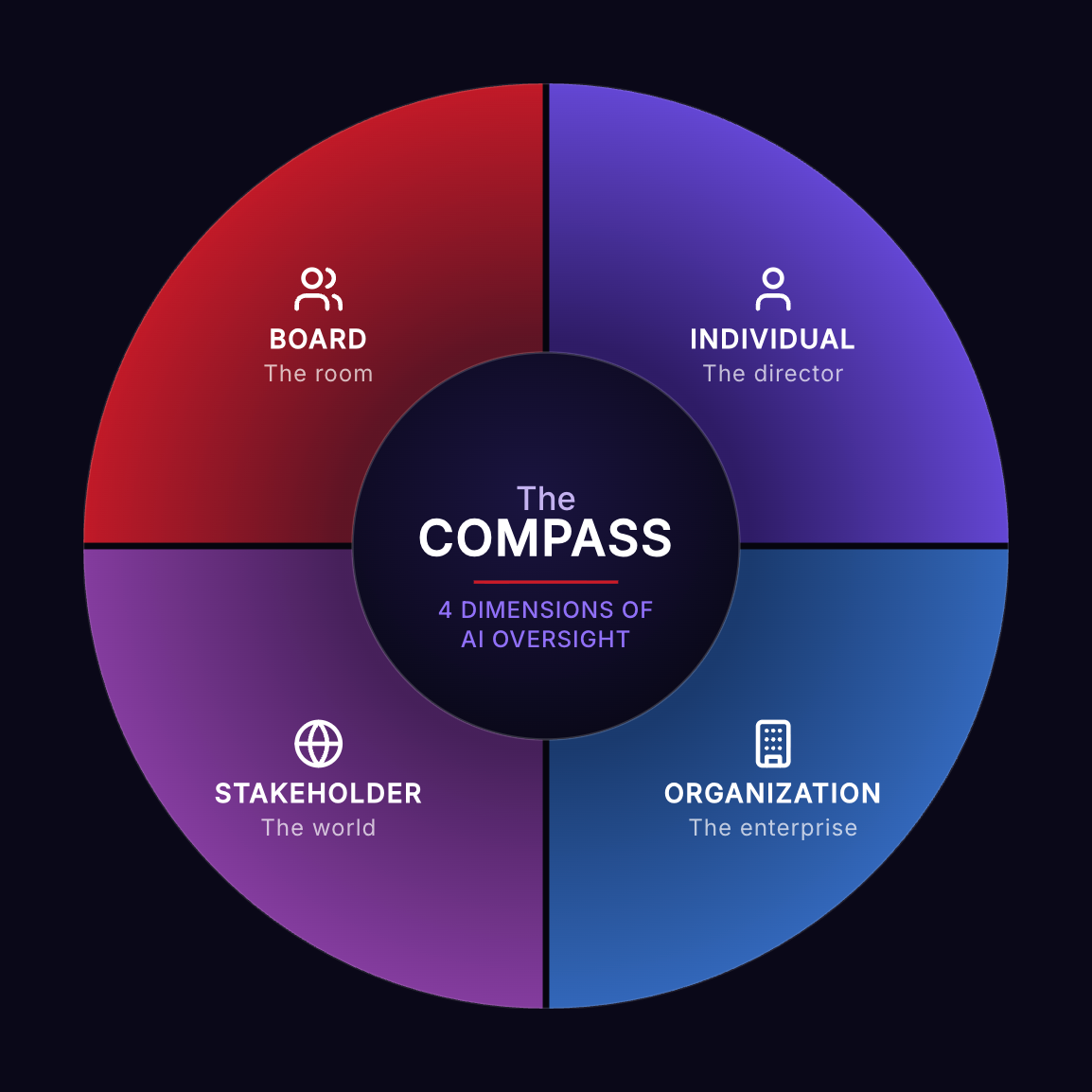
Vela was built from nothing: the name, the positioning, the brand and identity, the website, the program itself, and the partner and event motion around it. The central asset is the AI Board Governance Compass, a proprietary assessment that scores a board across 16 indicators and four dimensions — individual, board, organization, and stakeholder — and produces a scored diagnostic with a priority queue rather than a report nobody acts on.
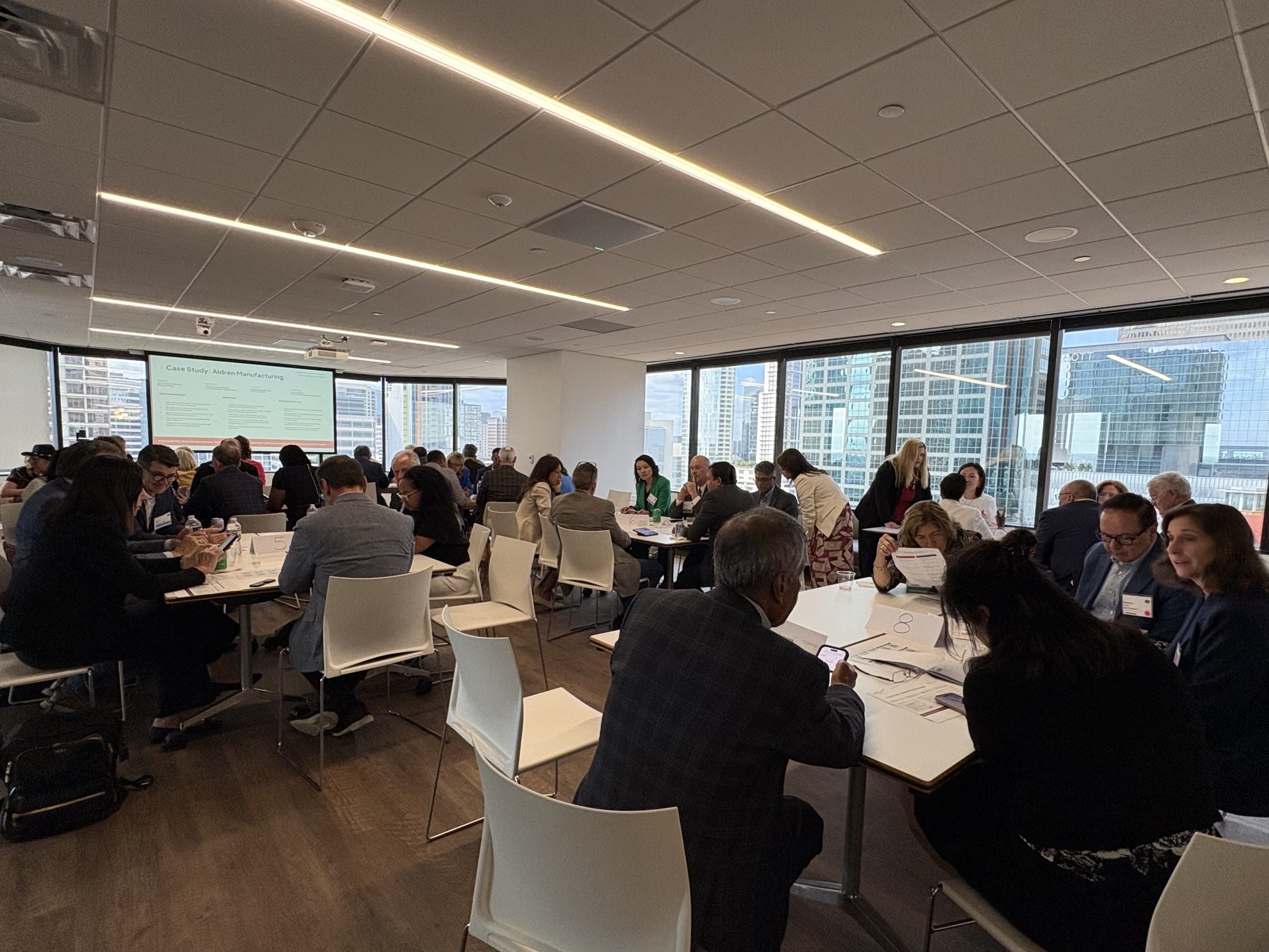
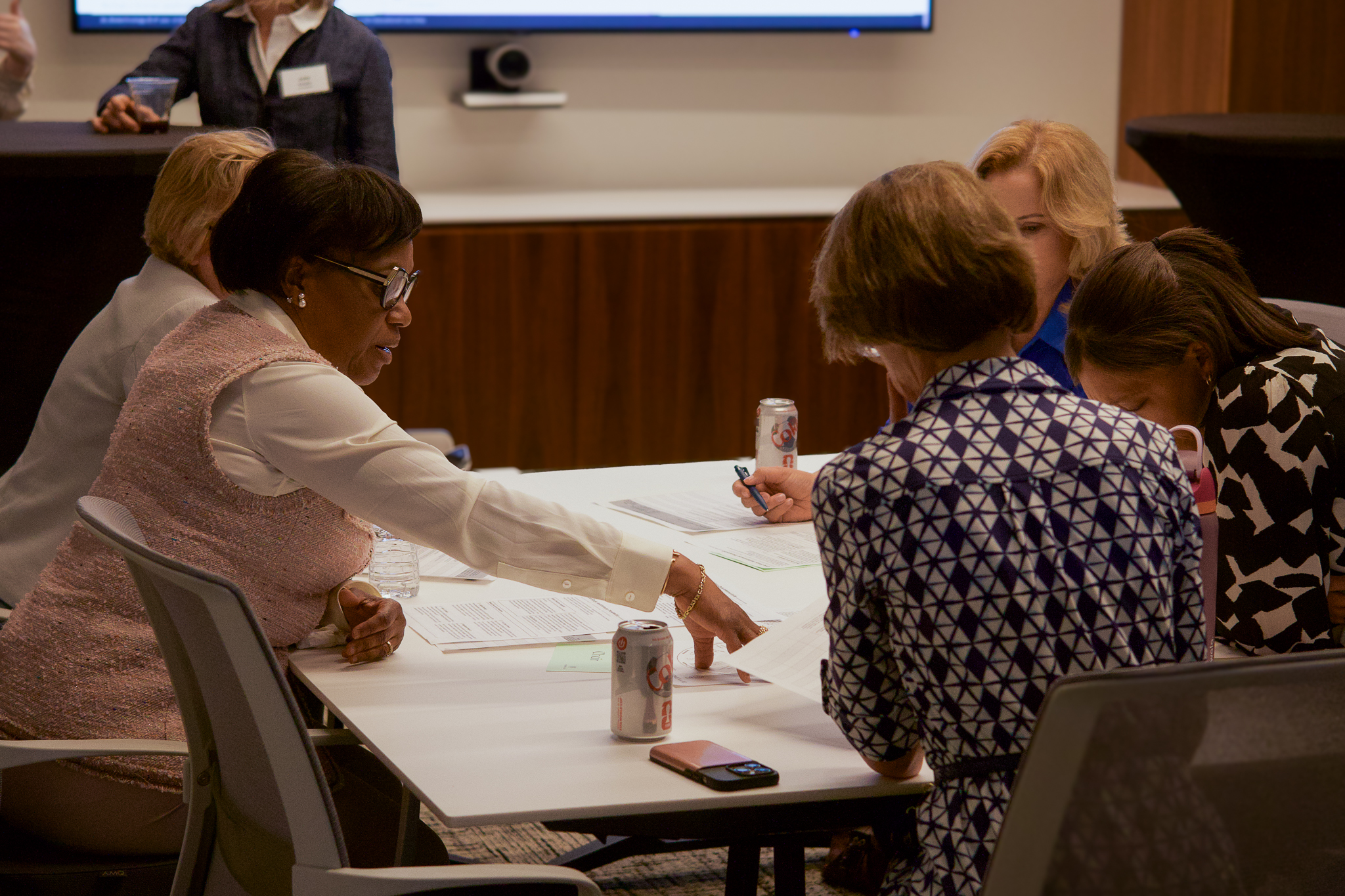
Around it sit the pieces a board actually needs, used in whatever order the situation calls for: a facilitated workshop on the board’s real risks, ongoing advisory when live oversight questions arrive, a simulation that puts directors inside a governance decision with the clock running, and a record that leaves evidence of active oversight for regulators, insurers, and shareholders.
Positioning had to serve three audiences at once — public company boards answering to markets and disclosure, private company boards answering to owners, lenders, and a future buyer, and the executives who bring AI to the board in the first place. Each needed its own argument without fragmenting the brand.
Why it connects to the rest of the work
Vela is the same problem Eudai works on everywhere, one level up. A board adopting AI oversight is an internal change program with the highest-stakes audience in the company: people who cannot be trained into it, only convinced. That is change marketing and board reporting meeting in the same room.
The Compass is also an argument for evidence over documentation, which is the shift operational resilience went through when regulators stopped accepting paperwork as proof. And the simulation format is the same bet as training and simulation: a program only earns its budget if it changes what people do under pressure.
The category itself had to be named before it could be sold, the same work as AI governance on the vendor side and category creation as a discipline.
The outcome
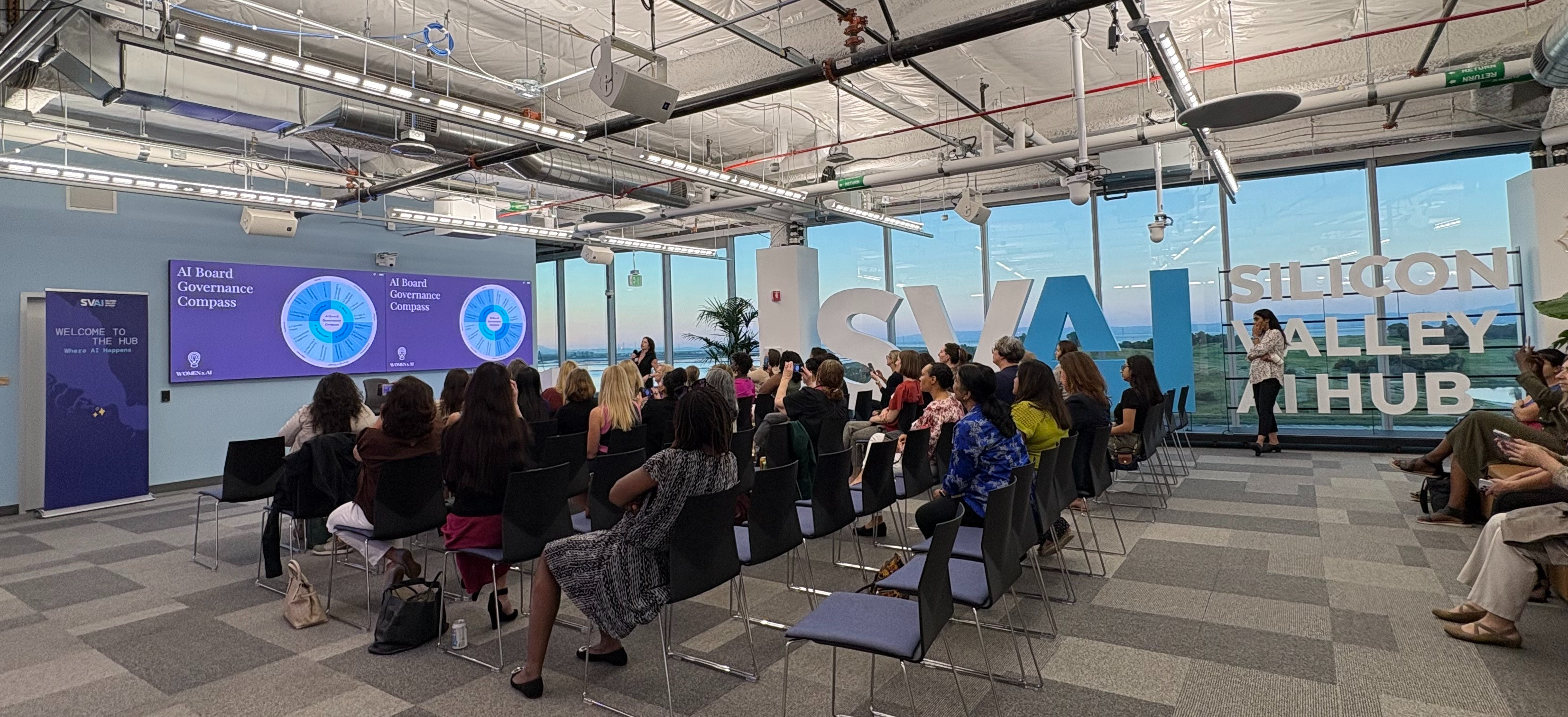
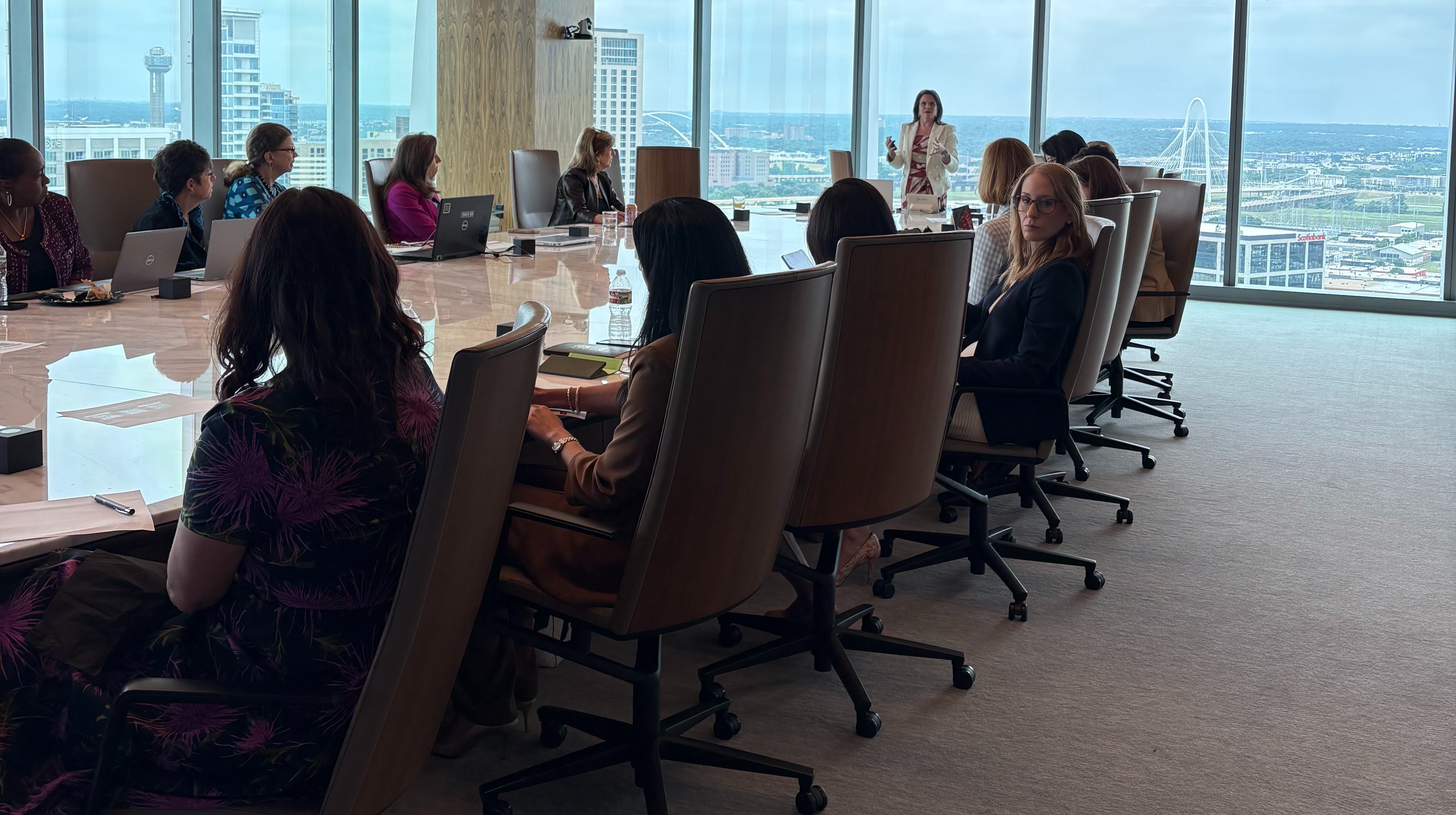
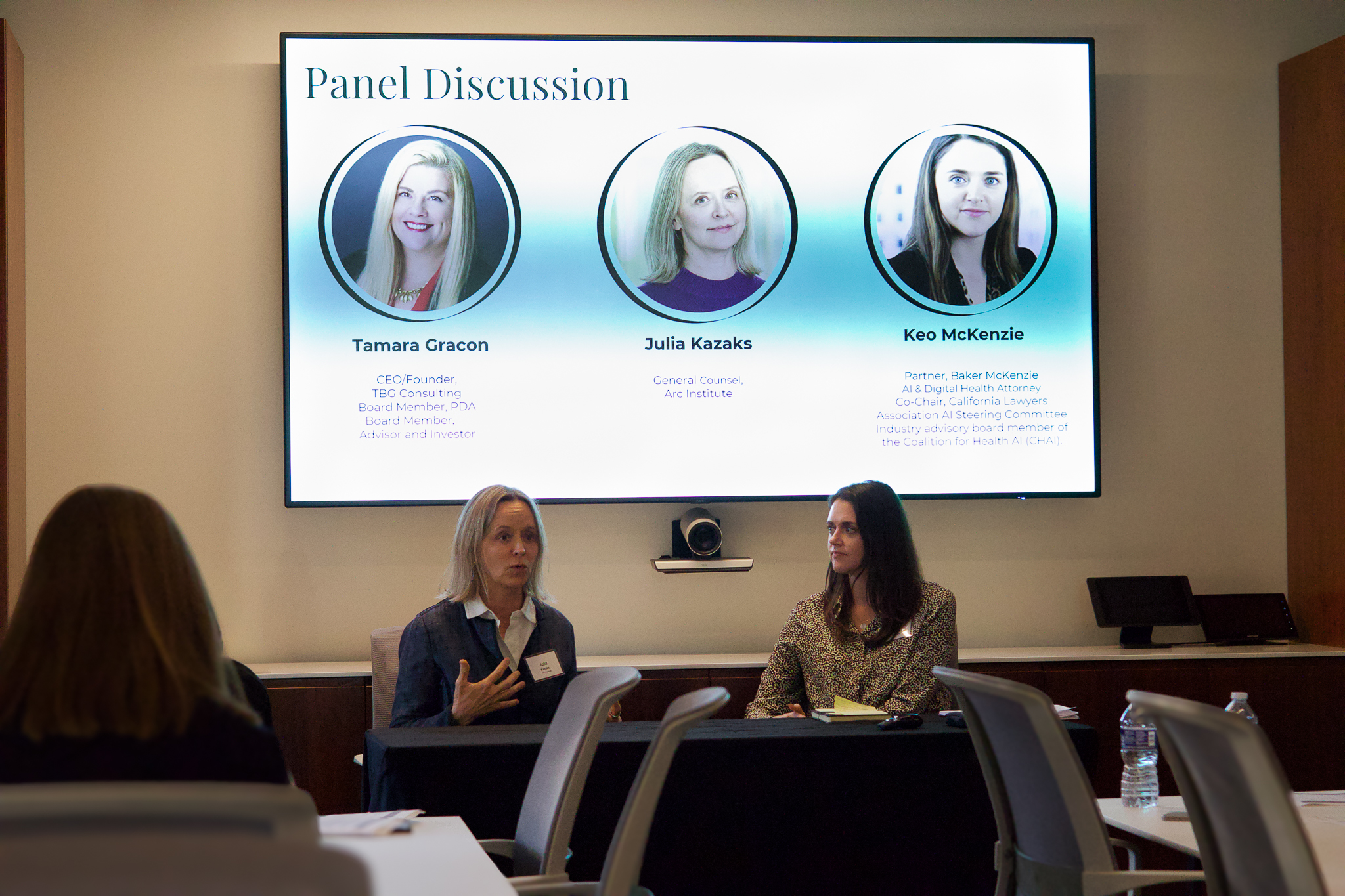
Vela runs board programs in partnership with the Private Directors Association, Silicon Valley AI Hub, Haynes Boone, Baker McKenzie, and Snowflake, including a half-day masterclass at the PDA PRISM Conference in Atlanta. Sessions are convened alongside iluminr where board AI fluency meets live resilience simulation.
I love the questions. This has become part of our daily conversation. It is all-encompassing — the risk framework gives us a disciplined, shared language.
Director, public board session
See the venture at velaboards.com, and what is coming up on events.