Introducing Deniz Tudor, co-host of Uncharted
Progress depends on innovation and security working together.
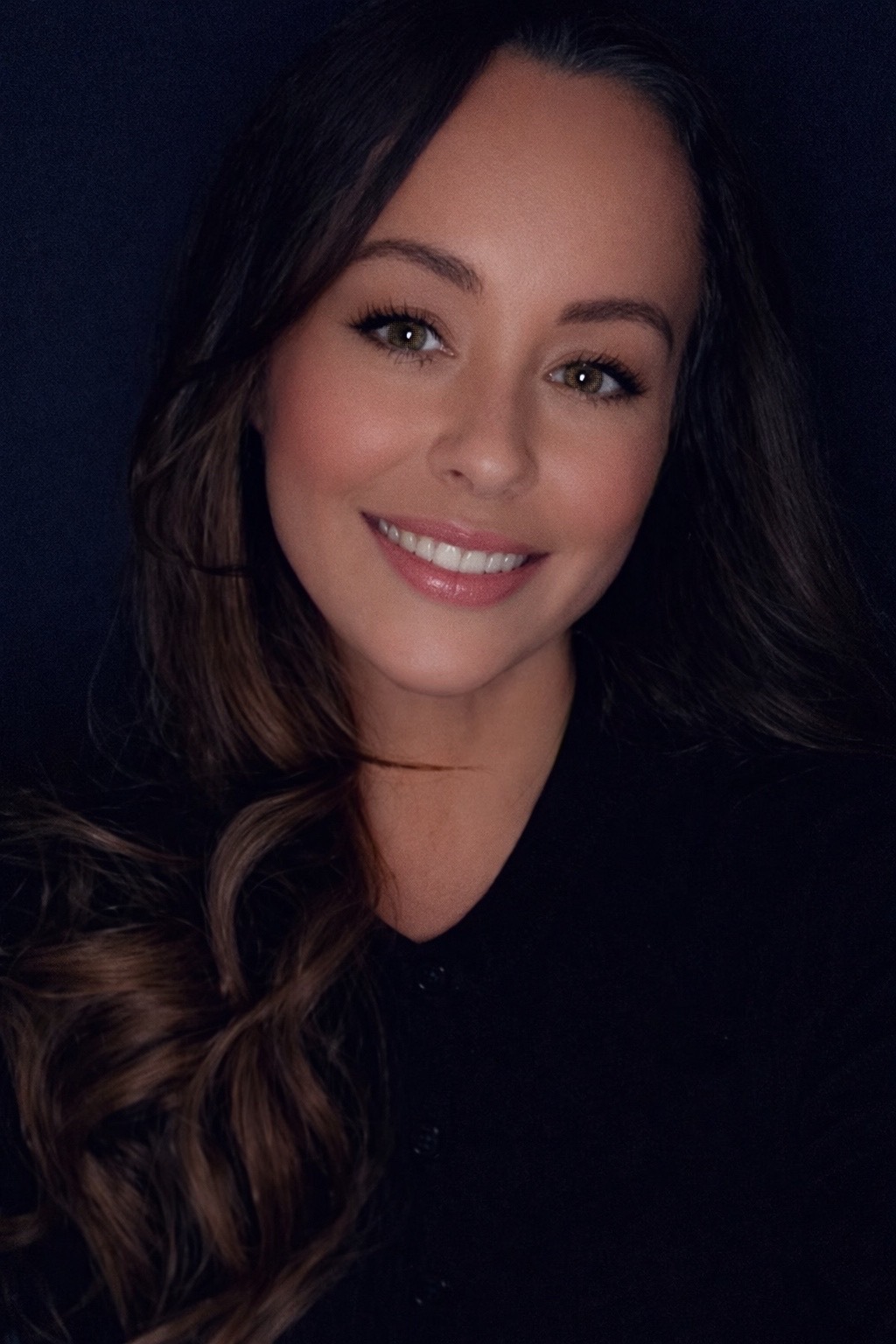
I’m very happy to share that Deniz Tudor is joining me as co-host of Uncharted.
Uncharted began with a fairly simple premise: some of the most consequential decisions sit where innovation, security, risk, and business reality collide. They are rarely clean choices. They often need to be made before there is a familiar framework, a settled standard, or someone else’s case study to borrow from.
We see plenty of at-all-costs innovation. We also see organizations so wary of risk that they struggle to do anything new.
But the most important decisions lay somewhere in between:
- When we innovate, should we solve for one problem or for the connected system around it?
- What perverse incentives are shaping the way we manage risk and pursue innovation?
- In the age of AI, have we become so focused on the art of the possible that we’ve lost sight of what matters to customers?
- How do leaders distinguish a genuinely transformative idea from a dangerously bad one?
- Are innovators creating risk or exposing the risk already there, just in a new form?
- In a riskier world, why is organic interest falling across virtually all of the practices designed to protect us?
These are the Uncharted conversations.
Deniz brings lived experiences in risk leadership. She is a change agent who bridges risk and business, translating models and exposure into decisions executives can act on.
She has spent 20 years in and around the C-suite, from Moody’s to Chatham Financial, Bread Financial, and the fintech TabaPay, and builds the relationships that risk work depends on with regulators, auditors, investors, and rating agencies. She is an economist, a financial-services executive, a professor, and founder and CEO of Pretty Penny Intelligence.
She holds a PhD in economics from UC San Diego, a master’s in law from Fordham, and an accounting degree from Harvard, with leadership certificates from MIT and Yale.
Her work has put her close to the decisions that determine whether a model, a strategy, or a risk position can actually stand up to scrutiny.
My own work sits on the innovation side of that decision: engineering, product, operations, marketing, and growth, alongside the security, resilience, and governance work of preparing organizations to respond when something goes wrong. Deniz brings the view from financial risk and decision-making: what the exposure means, who owns it, and what it takes to make a call that people can defend later.
The issues we are watching are converging quickly. An AI deployment can become an operational-resilience issue. A product decision can create a security exposure. A resilience exercise can surface a gap that has implications for customers, regulators, the board, and the people asked to operate through it.
These are not separate conversations anymore, even if organizations still tend to organize them that way.
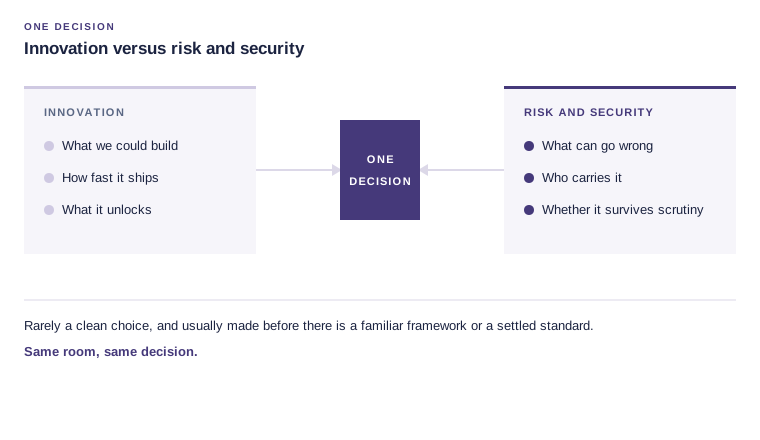
Our Resilience 2030 research found that risk and security language is moving into product, operations, engineering, and strategy—often before the underlying ownership and decision structures have caught up. That gap is where some of the most interesting stories are emerging.
Uncharted will bring together people who have been in that position: leaders who made a consequential decision on risk, security, or innovation when there was no obvious playbook. We want to understand what they saw, what they weighed, what they got wrong, and what they would do differently.
Season 1 launches in October 2026, with new episodes monthly.
If someone comes to mind, pitch them to us. The Season 1 sponsor slot is open. And if you want the episodes as they drop, join us for the conversation.